
Mr. Jay Beats on Producing Artists, Music Marketing and Building Something Bigger
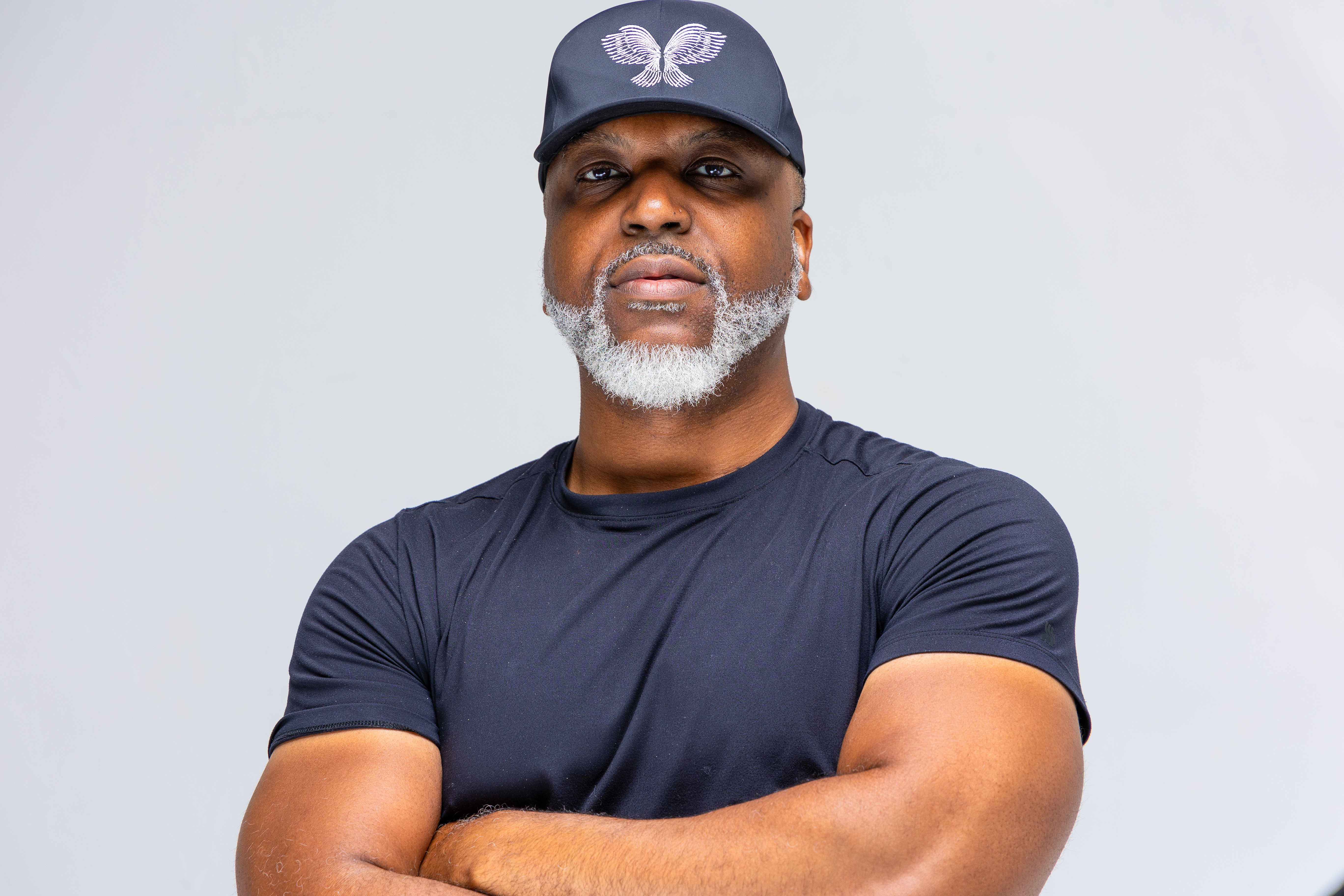

Making the song is one thing. Building something meaningful around it is another.
That idea came up again and again during the first episode of the RISE Podcast with producer, engineer, artist, and music professional Mr. Jay Beats. His approach to music does not stop when the beat is finished. He thinks about the artist, the recording process, the mix, the visuals, the release strategy, the marketing, and what happens after the song finally lands on streaming platforms.
That broader perspective is important because artists today have access to more tools than ever before. They can record at home, distribute music independently, create content with a phone, and reach listeners around the world without waiting for permission. But having access to the tools does not automatically create a strategy. Mr. Jay’s story is a reminder that growth in music often comes down to what you build around the talent.
A Musical Ear Shaped by Different Places and Influences
Mr. Jay Beats is originally from Rochester, New York, and his musical background was shaped by a mixture of East Coast and West Coast influences. Music was already present in his family. His uncles were DJs, including one who practiced scratching and another who became known around Rochester for his mixtapes. Those early experiences exposed him to hip hop long before he decided to seriously pursue production himself.
After moving to Arizona, that interest started becoming more hands-on. A friend was experimenting with beat making, and the two began playing around with production themselves. What started casually eventually turned into something Mr. Jay wanted to understand on a much deeper level.
That part of the story is worth paying attention to because creative careers rarely begin with a perfect setup. Most people do not start with the studio they dream about, the mentor they wish they had, or the exact roadmap they need. Sometimes the beginning is much simpler. You get curious, you work with what is available, and you keep learning long enough for the hobby to start looking like a real possibility.
For Mr. Jay Beats, YouTube became part of that education. Around 2008, when tutorials were nowhere near as abundant as they are today, he searched for FL Studio lessons and found creators who helped him understand how to build hip hop production. He spent years practicing after school and sharpening his skills before eventually attending the Conservatory of Recording Arts and Sciences, better known as CRAS
Is Audio Engineering School Still Necessary?
Formal education in music and audio is an interesting conversation now because the learning environment has changed dramatically. Tutorials, online courses, communities, AI tools, and affordable software have made technical information more accessible than at almost any other point in the industry.
When asked whether someone interested in production or audio engineering should attend a school like CRAS, Mr. Jay did not give a simple yes or no answer. His perspective was that it depends on the person and the situation. He believes there is a tremendous amount that someone can learn independently today, but he also sees value in the opportunities that formal education can create.
For him, one of the biggest benefits was not simply learning how audio works. It was access to internships, relationships, and industry environments that can be difficult to reach on your own. He also spoke about the importance of the connections he built while in school and how some of those relationships still matter years later.
That distinction matters. Information is valuable, but information alone is not always the thing that changes a career. Sometimes the opportunity to be in the right room, meet the right person, or work alongside people who take the craft seriously can accelerate your growth in ways that are difficult to reproduce by yourself.
The Difference Between Making Beats and Producing Artists
One of the strongest parts of the conversation centered on the familiar debate between beat makers and producers.
There is nothing wrong with making beats. That is a skill in itself. But Mr. Jay described production as something much more involved than creating an instrumental and sending it away. When he works with an artist, he prefers being in the room, learning the artist’s energy, listening to ideas, and developing the song collaboratively. He even pointed out that artists often contribute to the production process themselves by helping shape the direction, feel, and creative decisions behind the music.
His involvement continues after the beat is finished. He wants to be part of the recording process, the mix and the mastering stage because each part affects how the final record communicates the original vision. He listens alongside the artist, checks how the music translates in different environments, and stays connected to the project through release.
That is where the word producer starts to mean something bigger.
A producer can help shape a song, but the best producers often help shape the entire experience around that song. They understand that the music itself is only one piece of what the audience eventually sees, hears, and remembers.
A Finished Song Is Not a Release Strategy
Mr. Jay’s approach naturally extends into visuals and marketing. He spoke about working with directors and videographers to develop concepts, identify locations, and support artists during the visual production process. After the video is complete, his thinking does not stop there either. The next question becomes how the content should actually be promoted. Should there be short-form clips? Should the artist build anticipation? Should the release arrive as a surprise? The answer depends on the artist, the audience, and the behavior of the people they are trying to reach.
That is an important lesson for independent artists because there is no universal rollout template that works for everyone.
Mr. Jay also pointed out one of the biggest differences he sees between developing artists and more established acts. Independent artists often finish a song, release it, post about it once or twice, and then hope something catches. More established artists tend to approach releases with much more planning, preparation, and coordinated activity. There are assets ready before release day, multiple promotional efforts happening together, and actual marketing dollars being placed behind the music.
That does not mean an independent artist needs a major-label budget. It means a release deserves more thought than uploading a song and hoping the algorithm develops a sudden interest in your career.
A strong record can open doors, but people still need a reason to discover it.
You Cannot Force Something to Go Viral
The conversation also moved into one of the most tempting ideas in modern music marketing: virality.
Every artist wants the clip that takes off. Every creative wants the moment that suddenly reaches thousands or millions of people. The problem is that virality is not something you can schedule on a content calendar with any certainty.
Mr. Jay talked about the importance of creating promotional ideas that are interesting enough for people to want to share. He gave an example of thinking beyond a basic album cover and creating something more memorable that might naturally make people stop, react, and pass it along to someone else. That sharing creates the possibility of reaching people outside an artist’s immediate audience.
But he was also clear that there is no guaranteed formula for going viral. The content still needs to make sense for the artist. Chasing a trend that has nothing to do with the music, the message, or the audience might generate attention, but attention by itself does not necessarily build a lasting fan base.
There is a major difference between getting views and building momentum.
One can happen overnight. The other usually takes intention.
Lake Effect and What Comes Next
Mr. Jay Beats also discussed Lake Effect, his collaborative project with artist Denzel Scott. The project developed over several years as the two worked to build a sound that showcased Denzel’s versatility while also allowing Mr. Jay to explore different production styles. Their shared connection to upstate New York helped inspire the title, with Mr. Jay coming from Rochester and Denzel having strong ties to Buffalo. That project is only part of what he is building.
Mr. Jay Beats is continuing to work with artists, develop his studio, and explore the possibility of releasing more music of his own. Even with his experience across production, engineering, artist development, and the business side of music, he is still looking for ways to grow, create, and expand what he is capable of doing.
Watch the Full RISE Podcast with Mr. Jay Beats
The full conversation goes deeper into Mr. Jay’s early influences, his experience at CRAS, the way he approaches collaboration with artists, the business behind releasing music, and what he is working toward next.
Watch the full RISE Podcast episode with Mr. Jay Beats on YouTube:
Listen to Lake Effect by Denzel Scott & Mr. Jay Beats:
RISE is an Angel of Music Productions series featuring conversations with artists, producers, engineers, creatives, and music professionals about their journeys, their craft, and the business behind the music.
Keep pursuing the dream.


Comments